The Importance of Self-Inspections for Your Off-Road Vehicle
Self Inspections can prevent breakdowns!
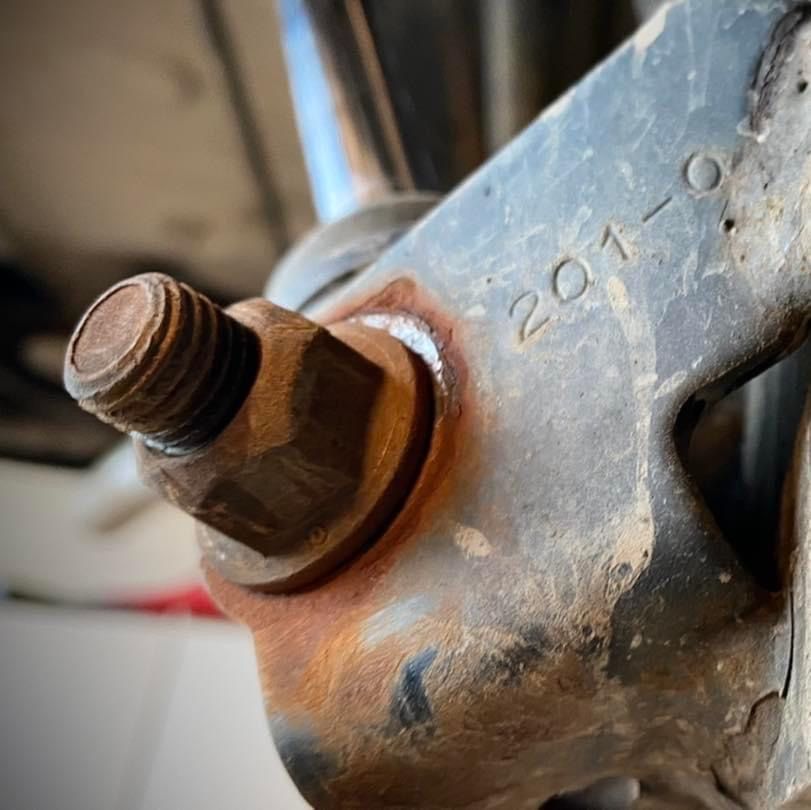
Off-roading puts your vehicle through conditions far more demanding than normal daily driving. Steep climbs, uneven terrain, water crossings, dust, mud, and constant vibration all place extra stress on suspension components, steering, driveline parts, fluids, and hardware. Even when a trip goes smoothly, your vehicle may have taken on wear or damage that isn’t immediately noticeable. That’s why performing routine self-inspections after every off-road outing—and again at the end of the season—is one of the simplest and most effective ways to protect your vehicle.
Self-inspections don’t replace the need for a professional inspection, but they do help you spot small problems before they turn into a breakdown on the trail or an expensive repair later.
Why Self-Inspections Matter
1. Catch problems early.
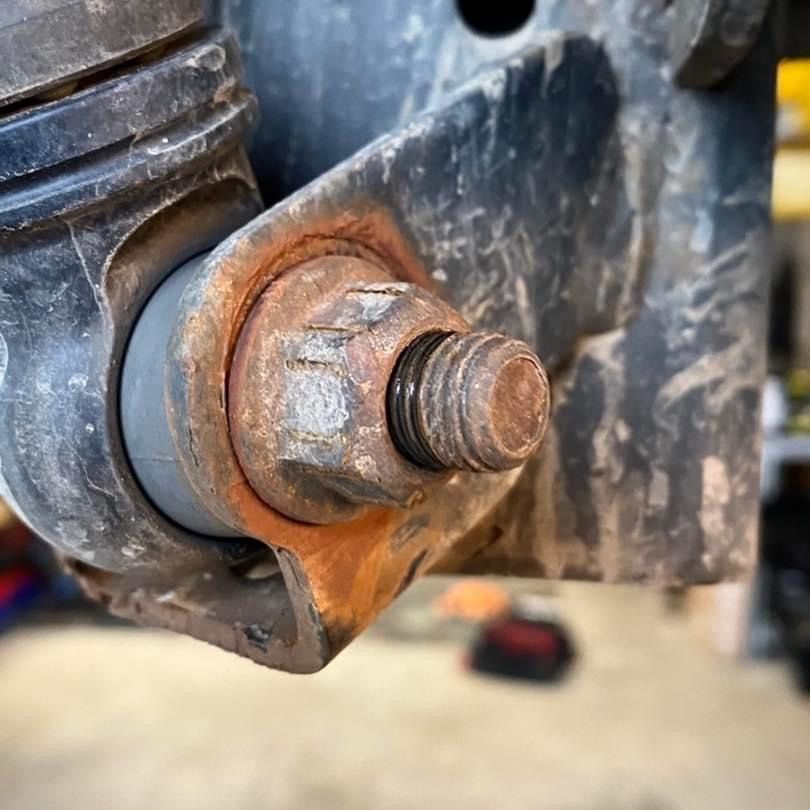
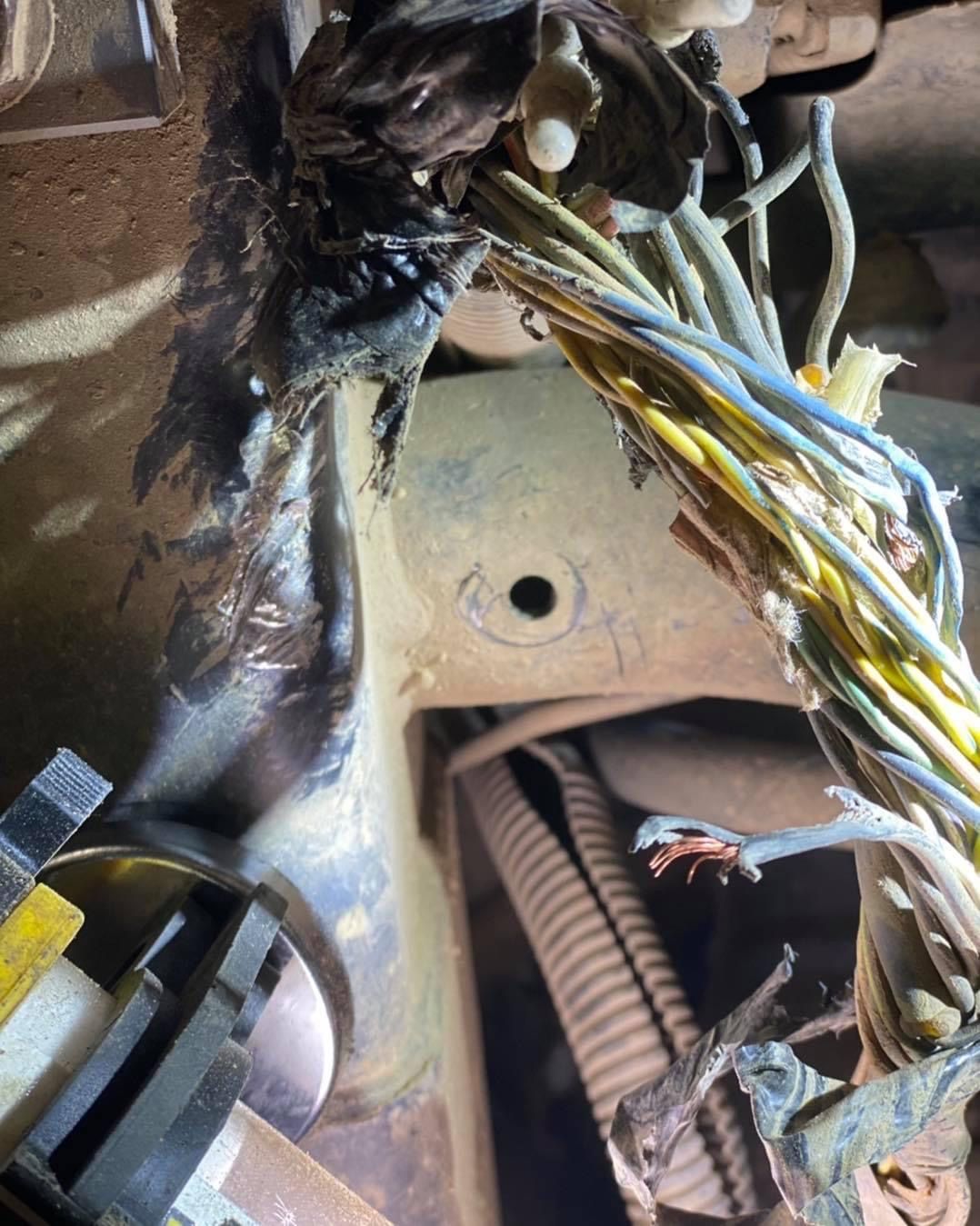
Off-road trips can loosen hardware, stress suspension joints, create fluid leaks, or introduce debris into sensitive areas. A careful walk-around and a visual under-vehicle check can reveal issues before they escalate.
2. Improve safety.
A vehicle failure on the trail can quickly become a safety concern, especially in remote locations. Noticing a torn CV boot, a leaking shock, or uneven tire wear early helps prevent unexpected failures.
3. Protect long-term reliability.
Off-road wear often starts small. Spotting early signs—such as abnormal tire cupping, play in steering components, or fluid discoloration—can help keep your vehicle reliable for years.
4. Build a better understanding of your vehicle.
Self-inspections help owners develop familiarity with what “normal” looks like. When something changes, it stands out. That awareness is valuable anytime you’re diagnosing noises, evaluating new symptoms, or communicating with a professional shop.
Self-Inspections Are a First Step, Not a Substitute
A self-inspection is meant to help you stay ahead of developing issues. It does not replace a trained technician looking over the vehicle. Professional inspections include:
- More precise measurements
- Lift-based inspection of suspension, drivetrain, and undercarriage
- Testing procedures for leaks, steering play, and wheel bearings
- Tools for checking components that aren’t visible during a basic check
Think of self-inspections as your early warning system and professional inspections as your confirmation and safety net.
We’ll Provide a Sample Self-Inspection Checklist
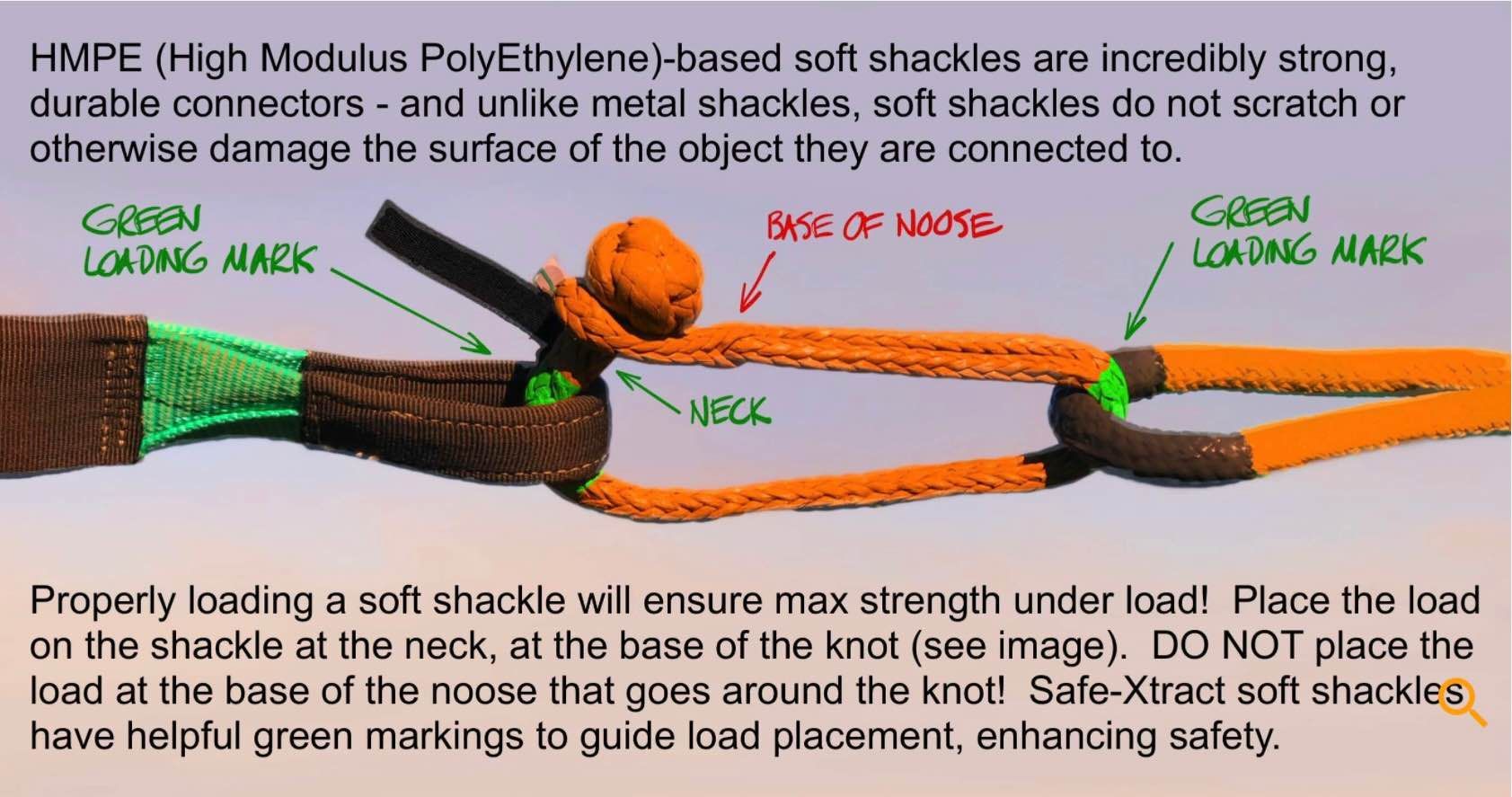
To make this process easier, CLICK HERE for a simple, user-friendly inspection guide you can follow after every off-road trip or at the end of the season. It will walk you through key areas such as tires, fluids, steering, suspension, underbody components, and recovery gear.
Following this checklist consistently will help you understand your vehicle better, recognize changes sooner, and stay prepared for any future off-road
adventures.
Share This Post!